5 Scary Tarot Cards and What Experts Say They Really Mean
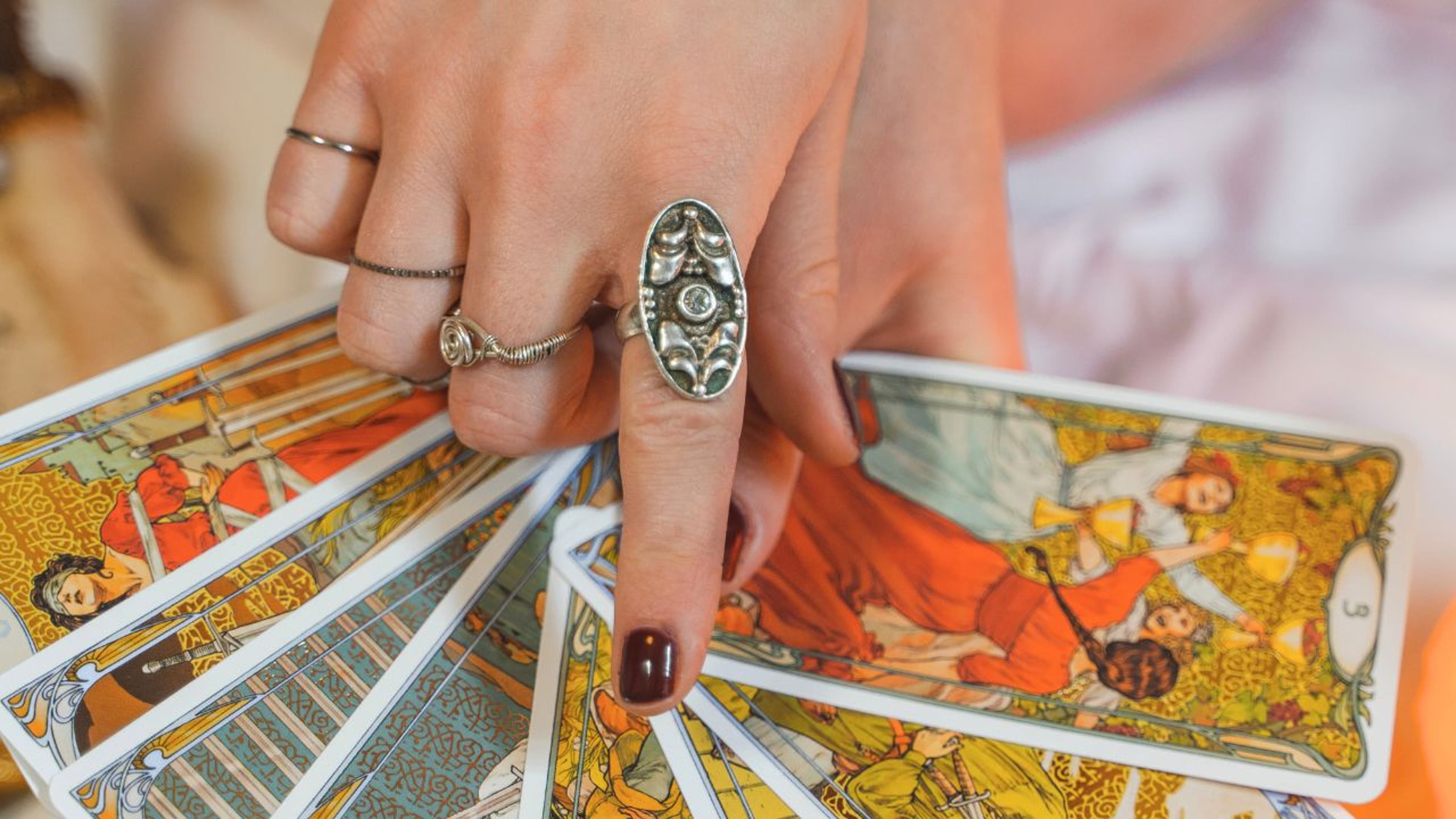
Plenty of people put off getting a tarot reading because they’re worried about what might come up. Death. The Tower. Something with too many swords. Nobody wants to watch a card like that hit the table, especially if you don’t know what it could mean in a real reading. Movies and TV haven’t helped: the Death card only appears so the audience knows something terrible is looming.
But a reading isn’t a horror scene. When one of these cards comes up, you talk about what the image means and where it might apply in your life. Often, that conversation gets to the thing you already know and haven’t said to anyone yet. That’s what can make the cards with the worst reputations so useful: they don’t waste time being polite about it. Here are 5 scary tarot cards, what they actually mean, and what to do if one lands in your reading.
Death: When it’s time to admit something is over
Of all 78 cards in the tarot, this is the one people least want to see, which is a shame, because it seldom means what they think. The image is a skeleton in armor riding a white horse past a fallen king, with the sun rising behind him. Its meaning is usually less literal: endings, change, and the work of letting go.
Death can speak to an ending that’s already happened, even if you haven’t caught up to it consciously. A job you’ve stayed in out of habit. A relationship you still describe in the present tense even though you both know. A version of the future you kept planning around long after it stopped fitting. You’re still setting a place at the table for something that already left, and the card is asking what that costs you.
When Death comes up, the work may be to name the ending for what it is. You don’t have to feel ready to move on. Start by being honest about what has changed.
The Tower: When what you’ve built stops holding up
This one looks like what it is: lightning splitting a stone tower, a crown flying off the top, 2 figures falling through the air. Nobody needs a guidebook to feel what it’s about. The Tower can speak to the kind of disruption that makes you wonder what, exactly, is still standing.
What the Tower describes can feel familiar. It’s the moment a structure you’ve been holding up with effort finally stops cooperating. Maybe it’s a friendship that only worked while you stayed small, a plan that held together as long as you ignored the numbers, or a role like “the strong one” that you’ve carried so long you forgot it was heavy. Sometimes the lightning lights up cracks that were already there.
When this card appears, resist the urge to plan the rebuild immediately. Ask what the disruption revealed and whether any part of it was already wearing you down. That answer can help you decide what’s worth reconstructing. Whatever you build next, don’t rebuild the same tower in a nicer color.
The Devil: What’s keeping you hooked?
The image is heavy-handed on purpose: 2 figures chained in front of a creature. What’s easy to miss, and what matters most, is that the chains hang loose around them. Either figure could lift the chain off and walk out. In the image, the way out is closer than it first appears.
The Devil can point to an arrangement you keep returning to, even when you know what it costs. It’s the scrolling that eats the last hour before sleep, the person you text knowing how it ends, the job you don’t leave because familiar unhappiness feels safer than updating your resume. Each of these is a trade. You get comfort, distraction, or more time, and you pay with something you wanted more in the long run.
A useful question here is: what’s this habit buying you? Answer honestly, and the price and the product are finally sitting on the same table, where you can look at them together. Changing the pattern may take support and more than one attempt. Start by noticing where you have a choice, even a small one.
Ten of Swords: When the worst part is already over
10 swords in someone’s back, face down under a black sky. It’s the most overacted scene in the deck, and the detail that matters is easy to miss: a band of yellow light along the horizon. But yes, this does look bad.
The Ten of Swords can speak to a painful ending that has already happened. The affair is out in the open. The firing already happened. The friendship ended the way you feared it would. Sometimes you’re still trying to prevent an outcome that has already arrived. This card can mark the point when that effort gives way to dealing with what comes next.
Practically, this card asks where you might be adding to your own hurt. Don’t send the extra paragraph. Don’t reopen the case at midnight to see if you can lose the argument a second time. Stop adding swords. Tend the wound and give it some time. There’s a reason the artist left light on the horizon.
Nine of Swords: When worry keeps you up at night
A person sits up in bed in the dark, face in their hands, 9 swords hanging on the wall. Anyone who’s been awake in the middle of the night still mulling over the day recognizes the scene. This is the worry card: the mind replays every possible disaster and calls it preparation.
The useful thing about the Nine of Swords is that it gives you a way to examine those late-night thoughts. The next morning, take one fear from the night and say it out loud. What exactly are you afraid will happen? What part of it is yours to handle? Who could you tell? Some fears lose a little of their authority when you hear them in daylight.
Others still need your attention. Give those a next step, whether that’s asking a question, having a conversation, or getting support. You don’t have to solve every possible version of the problem before breakfast.
What to do when a scary tarot card comes up
Whatever the card, start by slowing down. Describe the picture out loud, the way you would to a friend who can’t see it. Then ask one question: where, if anywhere, does this connect with your life?
That question gives you somewhere useful to begin. Talk through what fits with your reader, and say so if something doesn’t. A dramatic image can get your attention without deciding your future. Once you understand what you’re looking at, there’s more to work with than the initial scare.
Still thinking about a card you pulled? Bring it to a Keen tarot advisor and talk through what it could mean for your situation. The picture gets your attention. The conversation is where it gets useful.