Meditation for People Who Hate Meditating: 7 Ways to Start
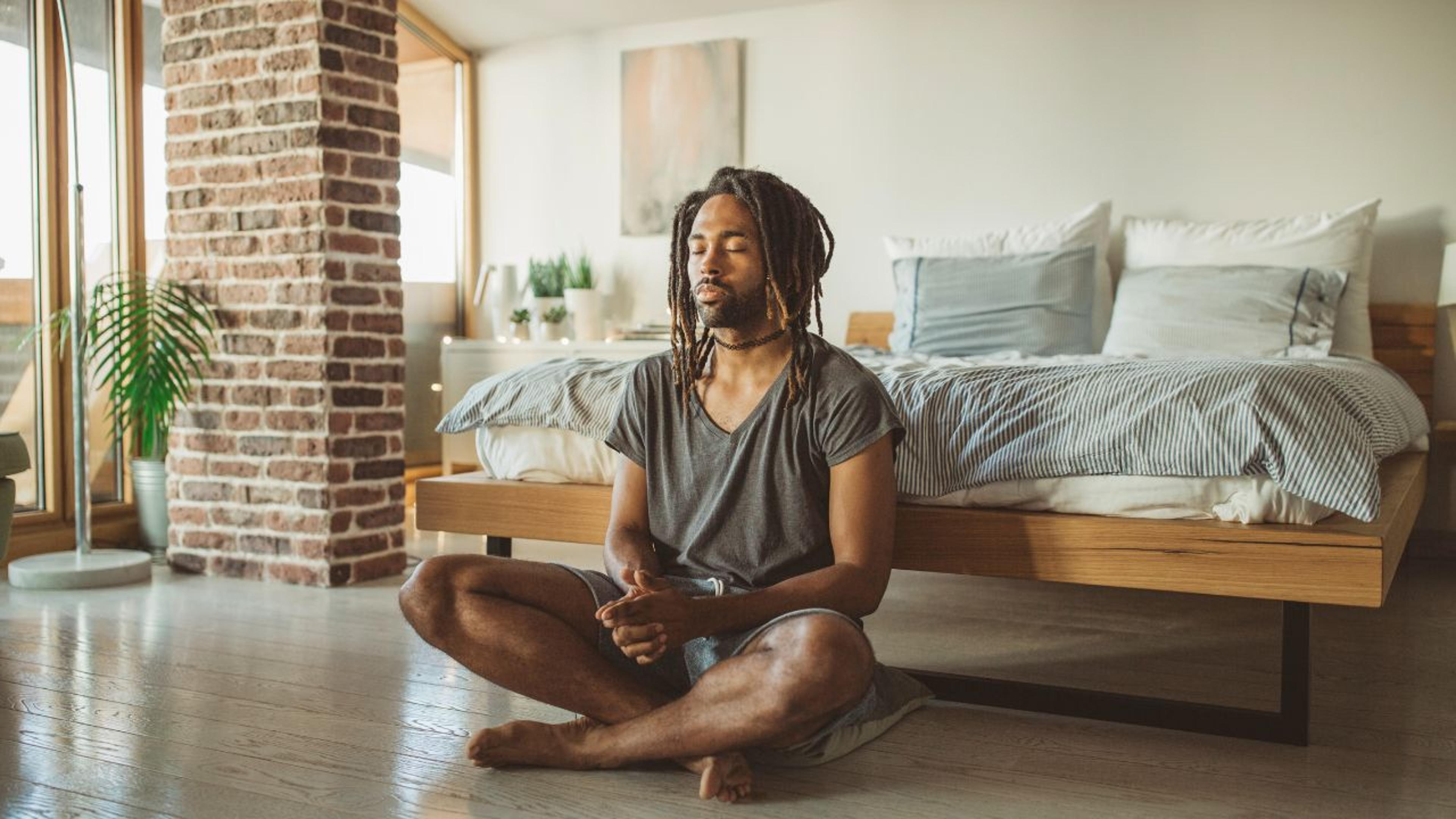
If someone says, “Just sit still and close your eyes,” and your whole body says, “Absolutely not,” you’re in good company. You sit. You try to be good. Your brain puts on a talent show of every unfinished conversation you’ve had since the day you were born. Then an app congratulates you in a voice that makes you want to toss your phone.
Maybe you’re overstimulated. Maybe sitting still just makes you more aware of how much is on your mind. Either way, you don’t have to force yourself through another silent session.
How to meditate when you can’t sit still
These seven ways to start are meditation for people who hate meditating, and none asks you to clear your mind.
1. The two-minute window stare
Stand or sit where you can see outside. Look at something farther away than a screen: a tree, a brick wall, a slice of sky between houses. Let your eyes rest at a distance.
Two minutes. Put your phone on the charger in another room if you can stand it.
Your mind will narrate. Let it. You are training the eyes, not auditioning for inner peace.
If you have no window, look down a hallway. Far is the ingredient here.
2. Walk without a podcast
Put the headphones in your pocket. Walk around the block. Let your feet keep time.
If you’re wondering how to meditate when you can’t sit still, start here. The job is simple: feel the foot, then the next foot. When the to-do list in your head sounds like a podcast episode, come back to one foot in front of the other.
One block is enough to start. Two if the first one only made you feel emotionally stirred. Give yourself room to notice what you’re feeling as you walk.
Please don’t turn this into a step-count performance. If you catch yourself racing, slow down until it feels almost rude. Find your stride.
3. One chore that doesn’t need focus
Warm water. One plate. Then the next.
Pick the job your hands already know. Dishes. A load of laundry on the chair. The bag of groceries by the door. If it needs a plan or you sigh thinking about it, it is the wrong job.
You already know how to do this with your hands. People have been coming back to themselves this way for a long time, in kitchens that never made it into photos. Let the task be the whole personality of the moment. Sometimes that small a win is enough to bring you peace of mind.
Keep the hands busy, and the mind gets invited to sit out for a bit. It’s an easy way to practice mindfulness without making a production of it.
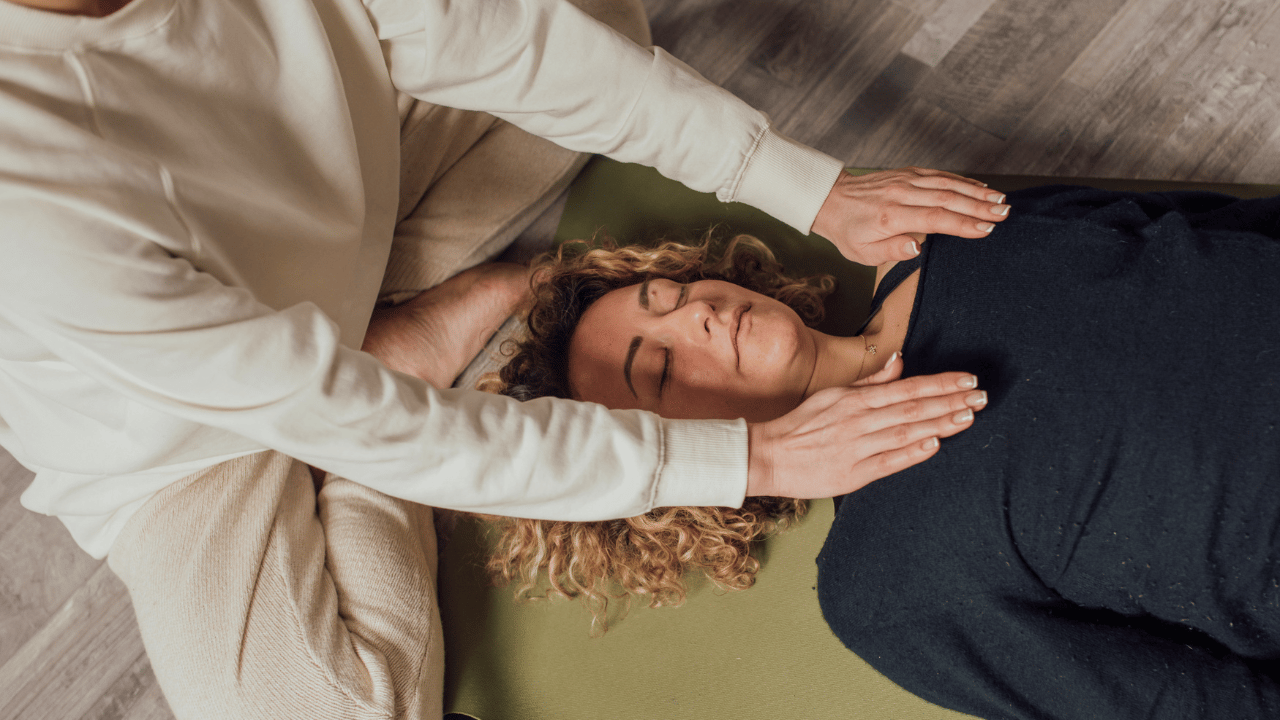
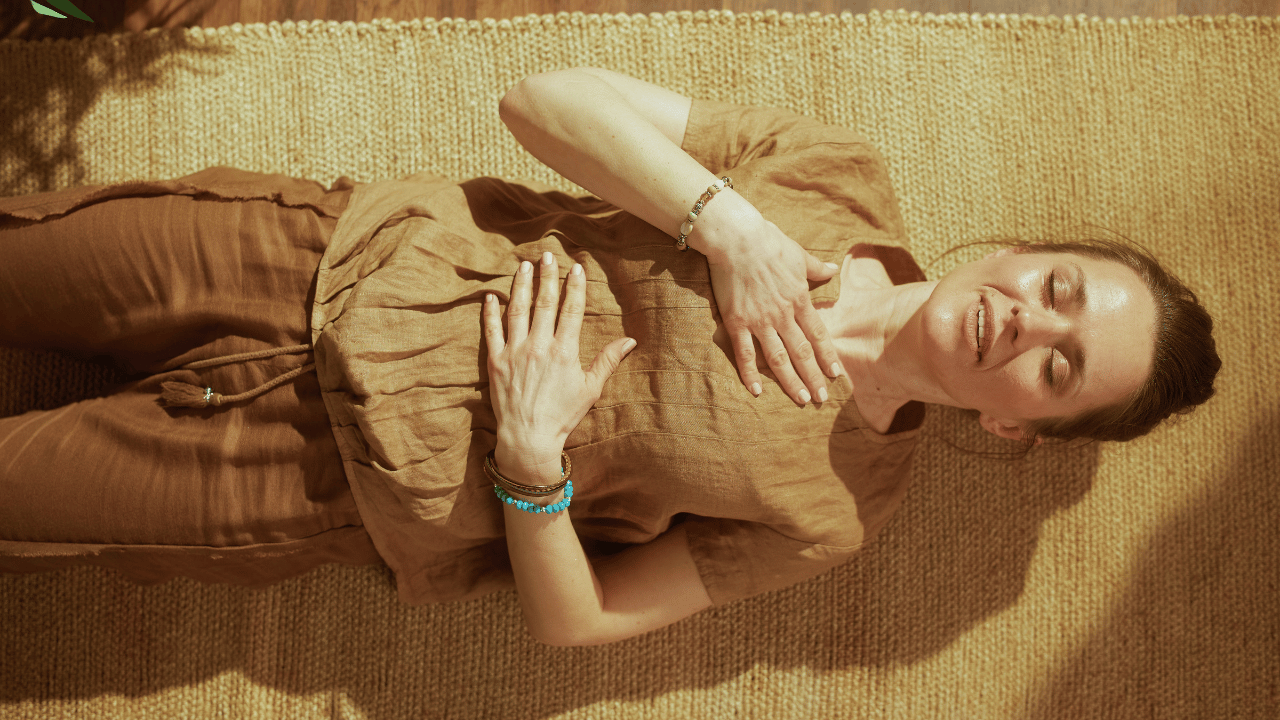
4. Lie down and check the body
The sit-upright version of meditation can feel like a test. Lying down can feel more like a luxury.
On your back. Bend your knees if your low back has opinions. Travel through the body the way you’d check a house at night: jaw, eyes, throat, chest, hands, belly, and the place your day actually lives (for many of us, that’s the gut or the shoulders).
If you like having a moment to notice how you feel before trying to change it, you might also like these simple ways to feel more grounded.
If you fall asleep, you needed sleep. Count it.
Set a seven-minute timer if you are afraid of drifting into a full nap before having to do something important. When it goes off, sit up slowly and drink water. You just came back from your session.
5. Three slow exhales in the parked car
The driveway is often a loading screen for your day. Before you head to work or back, take a second.
Before you go inside, put your hands on the wheel or in your lap. Inhale normally. Exhale longer than you think you need. Do that three times. If you want to give your breath a little more attention, try one of these beginner breathwork techniques.
You are ending the day in the car, so you don’t end it on the people in the house.
If you take transit, do this in the last two minutes of the ride, eyes on a fixed point, bag in your lap. Same idea. Different vehicle.
6. A voice note to yourself
Blank silence can feel hostile when your mind won’t stop talking. Give your thoughts a microphone instead.
Open a voice memo. Talk for two or three minutes like you would to a decent friend. Then listen back once (no need to critique how you sound).
Catching your own words from the outside creates a little space inside. That space is the thing people are chasing when they meditate in the first place. It’s a way of taking yourself seriously.
Delete it after if you want. The point was the transfer of what you felt into something you can access.
7. One song, no skip
Pick a song that does not make you dance. Play it once. Sit, stand, or lie down. Eyes closed if that feels safe. Stay until the last note. No skip. No stacking the next track. The ending is the practice. Instrumental works best here.
Music gives your attention a rail to hold. Stillness without a rail is why a lot of us bounce back to the world so soon.
If a song makes you cry or feel something deep, let it. Stay with it until the song finishes.
What to do when your brain calls this dumb
It will. Our minds are wired against the unknown.
Answer it back: “Two minutes of peace. Then we can go back to being impressive.”
You can try any of these meditation alternatives for free, at any point in the day. The key part is following through.
Miss a week. Start at the window again. People who hate meditating do better with re-entry than with streaks. Streaks turn a kindness into a grade. If you want help making room for a practice without reinventing your entire life, start with one small change to your habits.
If you want a starter pack, try this for seven days. Morning: window. After work: car exhales or a walk. Night: one song or the lying-down check. Dishes whenever the sink is honest.
When the stillness brings up a real question
Sometimes a quiet moment brings up more than stress. There’s grief you haven’t had room for, a decision you keep putting off, or the realization that your life looks fine from the outside but doesn’t feel right to you.
If you want to talk it through, connect with a Keen reader. Bring the question you keep coming back to, even if you’re still figuring out how to ask it. A conversation may help you see your options more clearly and decide what feels right to you.